Efficient Energy Usage
One of the key aspects of sustainable barn management is optimizing energy usage. Implementing energy-efficient lighting systems and utilizing natural lighting sources, such as skylights or windows, can significantly reduce energy consumption. Additionally, adopting energy-saving practices like using programmable thermostats and insulation can minimize heat and cooling losses, leading to substantial energy savings.
Renewable Energy Sources
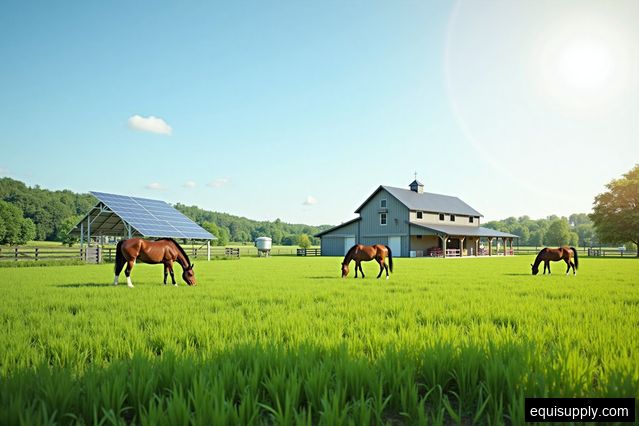
Consider integrating renewable energy sources into your barn management strategy. Solar panels can harness the power of the sun to generate electricity, reducing dependence on fossil fuels and lowering energy costs. Wind turbines can also be a viable option for generating clean energy, especially in areas with consistent winds. By embracing renewable energy, you can significantly reduce your barn's carbon footprint and contribute to a greener future.
Water Conservation
Water conservation is another crucial aspect of sustainable barn management. Implementing water-saving technologies, such as low-flow faucets, efficient irrigation systems, and rainwater harvesting systems, can help minimize water wastage. Additionally, practicing proper manure management techniques, like composting, can reduce the need for excessive water usage during cleaning processes.
Smart Water Usage
Adopting smart water usage practices can further enhance water conservation efforts. Installing automated water monitoring systems can help track water usage and identify any leaks or inefficiencies. Additionally, implementing water recycling systems, such as graywater systems, can enable the reuse of water for non-potable purposes like cleaning or irrigation.
Waste Management
Proper waste management is essential for sustainable barn management. Implementing recycling programs for materials like paper, plastic, and metal can help reduce waste sent to landfills. Additionally, composting organic waste, such as food scraps and bedding, can not only minimize waste but also provide nutrient-rich compost for use in gardens or fields. Consider partnering with local recycling facilities or composting centers to ensure proper disposal of different types of waste.
Efficient Manure Handling
Efficient manure handling is crucial for sustainable barn management. Implementing proper manure storage and composting systems can help minimize odor, reduce nutrient runoff, and provide a valuable resource for soil improvement. Consider investing in manure separators or digesters to extract biogas from manure, which can be used as an additional renewable energy source for your barn.